The goal when you acetone wipe a floor is much like when you're wet scrubbing the floor: get contaminants into solution and pick them up.
A good pump-up sprayer allows you to control the acetone delivery to the floor much better than just pouring it out of the can.
For more than 10 years, this has been the best pump-up sprayer for applying acetone to floors. They feature a polypropylene compression system, a durable shut-off valve, and a dependable filter system. || Again, when you use this, keep the tip low to the concrete. Be very liberal in the application and have your microfiber mop right on the heels of it so that the acetone doesn't just dry back into the concrete. This operation is a little more forgiving than wet scrubbing because if your water and detergent solution dries back into the concrete, you've created a real problem. If acetone dries back into the concrete, you've dried out the slab and you've pushed down some contaminants that might be helpful. Use common sense. If you're spraying a bunch of acetone, you're creating a fire hazard, so you have to have great ventilation and have extinguished all sources of flame before you start.
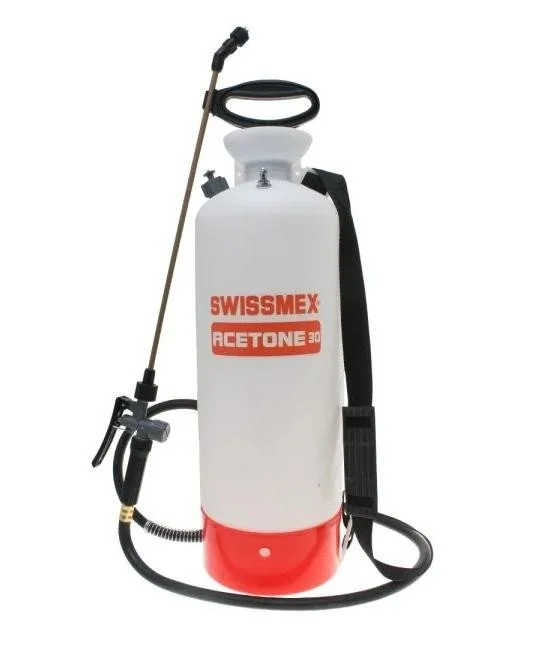
Tools for Acetone Wiping Floors
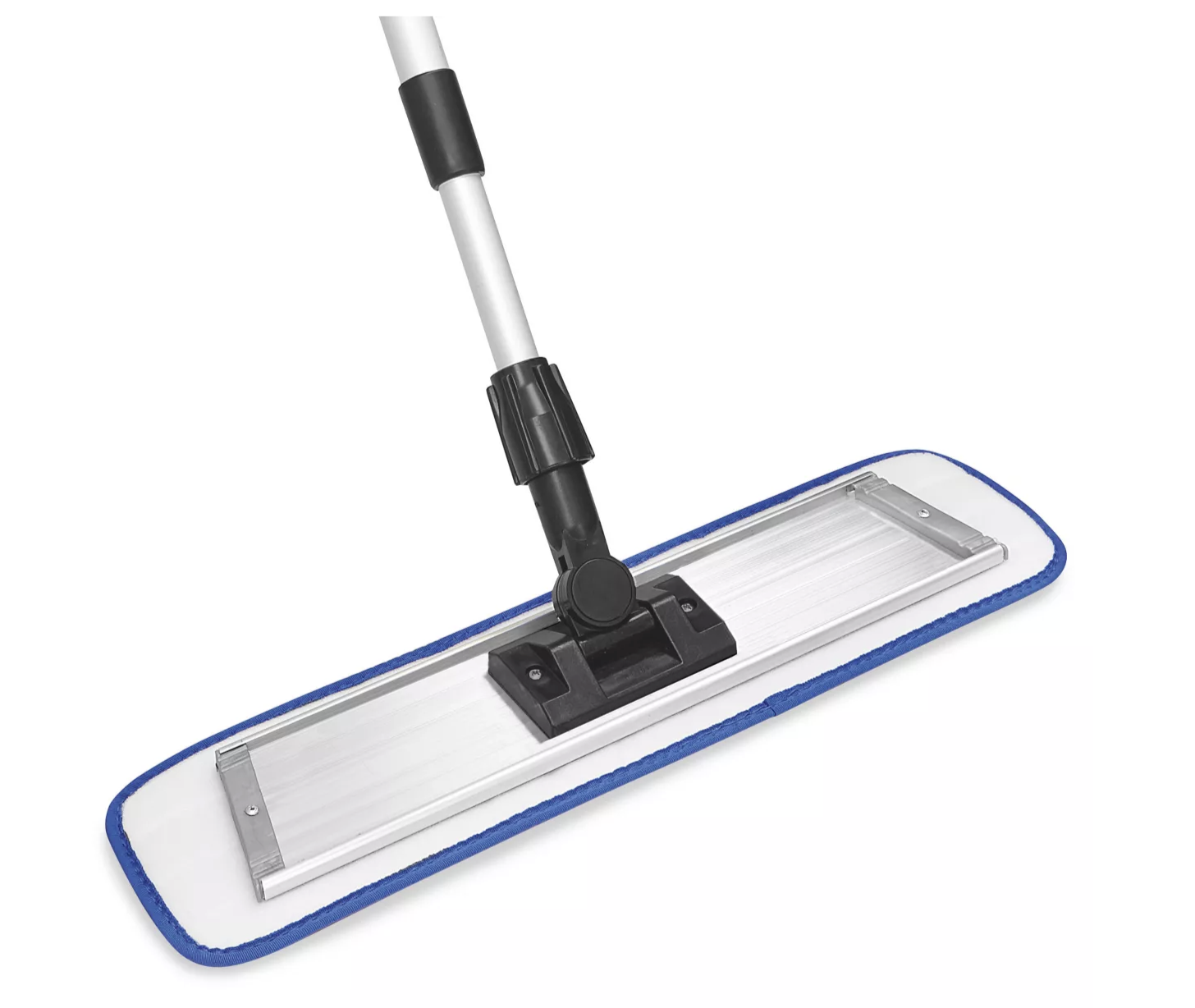
The Uline Microfiber Mop System is Solid.
The Uline Heavy Duty Microfiber Mop (H-4506) is shown at right
These 18” pads to the leftare at once the least expensive and some of the best quality.
White color means nothing bleeds onto the floor when you’re pulling it through acetone, and a carton of 150 pads means you never feel like you need to be stingy with them. Though they are sold as “disposable”, I’ve had success machine washing them.
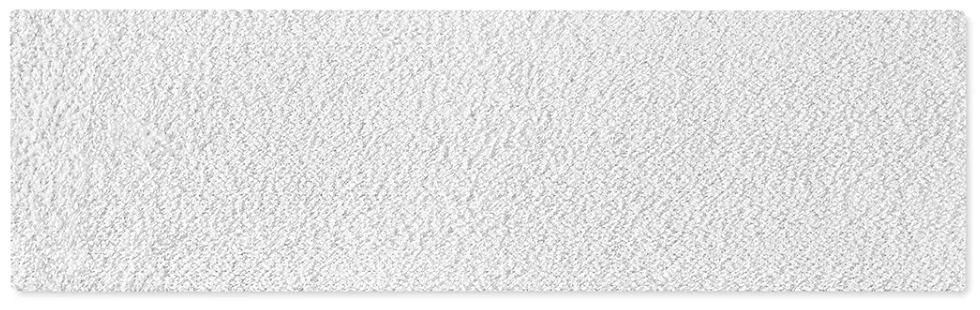
Uline Disposable Microfiber Mop Pads (S-26645)
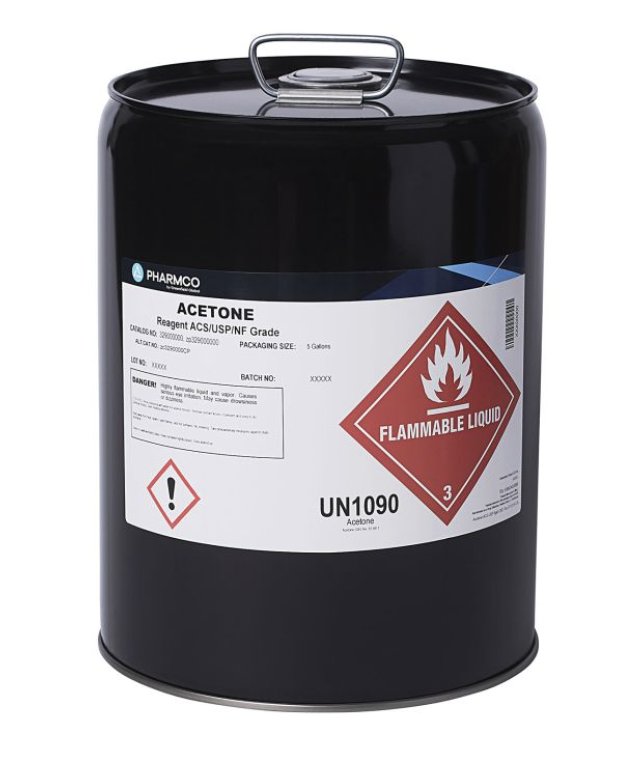
Acetone is highly flammable, so it must be sourced locally (nobody will ship more than a quart of it at a time). It comes in 1, 5, and 55-gallon containers.
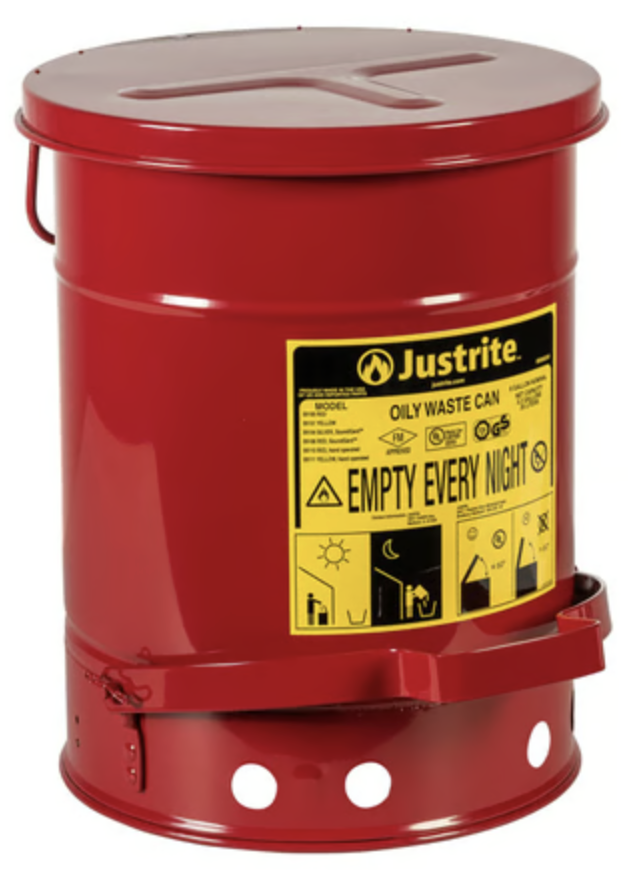
Justrite 09100 — 6-gallon, foot-operated self-closing oily waste can.
Why this one and not a coffee can with a lid: the engineering does the work so the guy doesn't have to remember to be safe. The lid opens no more than 60° and self-closes, which limits oxygen and isolates the contents from any ignition source, and the round body on a raised, ventilated base lets air circulate to disperse heat. It's galvanized steel, foot-operated, and UL/FM approved. The foot pedal matters more than it sounds — you've got product on your gloves, and a hands-free lid means nobody's grabbing a contaminated handle or, worse, leaving it propped open.|| Stage it before you open the kit. The can goes in the work zone as part of setup — same moment you kill the ignition sources and snap in fresh cartridges. It should be on your checklist - this just makes sure it's there and empty before the first pour, not fetched halfway through with a fistful of hot rags looking for somewhere to go.
Solvent rags and applicators go in. Mixed product never does. This is the one that matters, so say it twice. The can is for acetone-wet wipes, used microfiber, empty-but-wet roller covers, brushes. It is not for leftover mixed epoxy. A mass of curing resin-and-hardener makes its own heat and the last place on earth you want a heat source is sealed inside a can full of solvent vapor. Leftover mixed product gets spread thin on a scrap board or sheet to cure out in the open, exactly like your cleanup section says. Rags in the can; mixed mass spread thin and apart. Two streams, never combined.
No liner bags. Ever. Because a plastic liner stops the lid from sealing and gives oxygen a path in — both of which defeat the exact thing you bought the can for (fire prevention). Bare steel only.
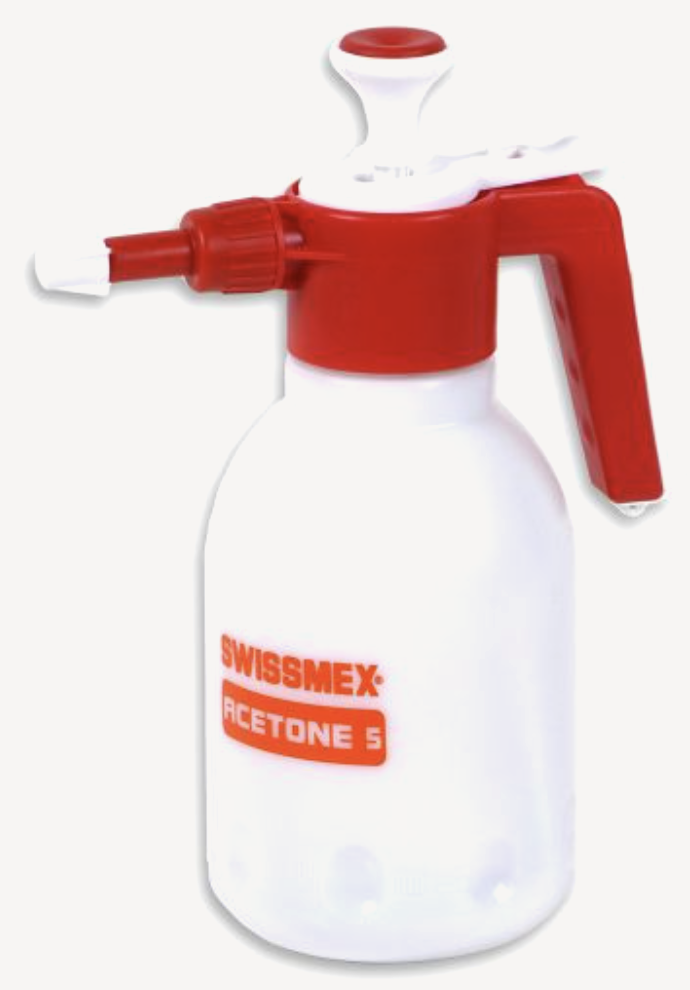
Smaller Tools for Acetone Wiping
For acetone wiping relatively small projects, this small sprayer is wildly more efficient than pouring out of the container of acetone. The goal when you acetone wipe a floor is not much different than when you're wet scrubbing the floor: get contaminants into solution and pick them up.
This is the best small pump-up sprayer for applying acetone to countertops, samples, and equipment. They feature a polypropylene compression system, a durable shut-off valve, and a dependable filter system. || Again, use common sense. If you're spraying a bunch of acetone, you're creating a fire hazard, so you have to have great ventilation and have extinguished all sources of flame before you start.
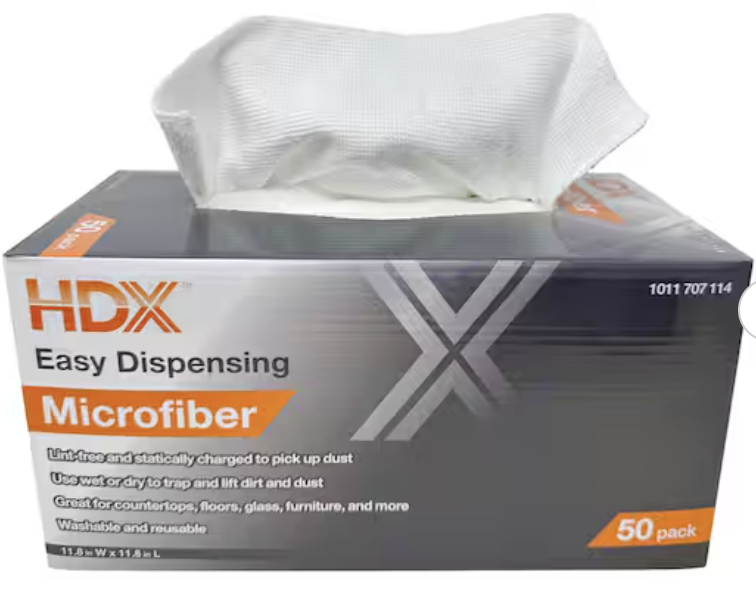
The HDX 50-count Pop-Box Microfiber Towels are the best rags I've seen by far.