Tools + Best Practices for Mixing
Everything that makes CleanPrime penetrate and bond to even the densest tile makes it almost effortless to mix.
If you don’t have the best tools and practices for the rest of the materials you’re installing, you might not be successful.
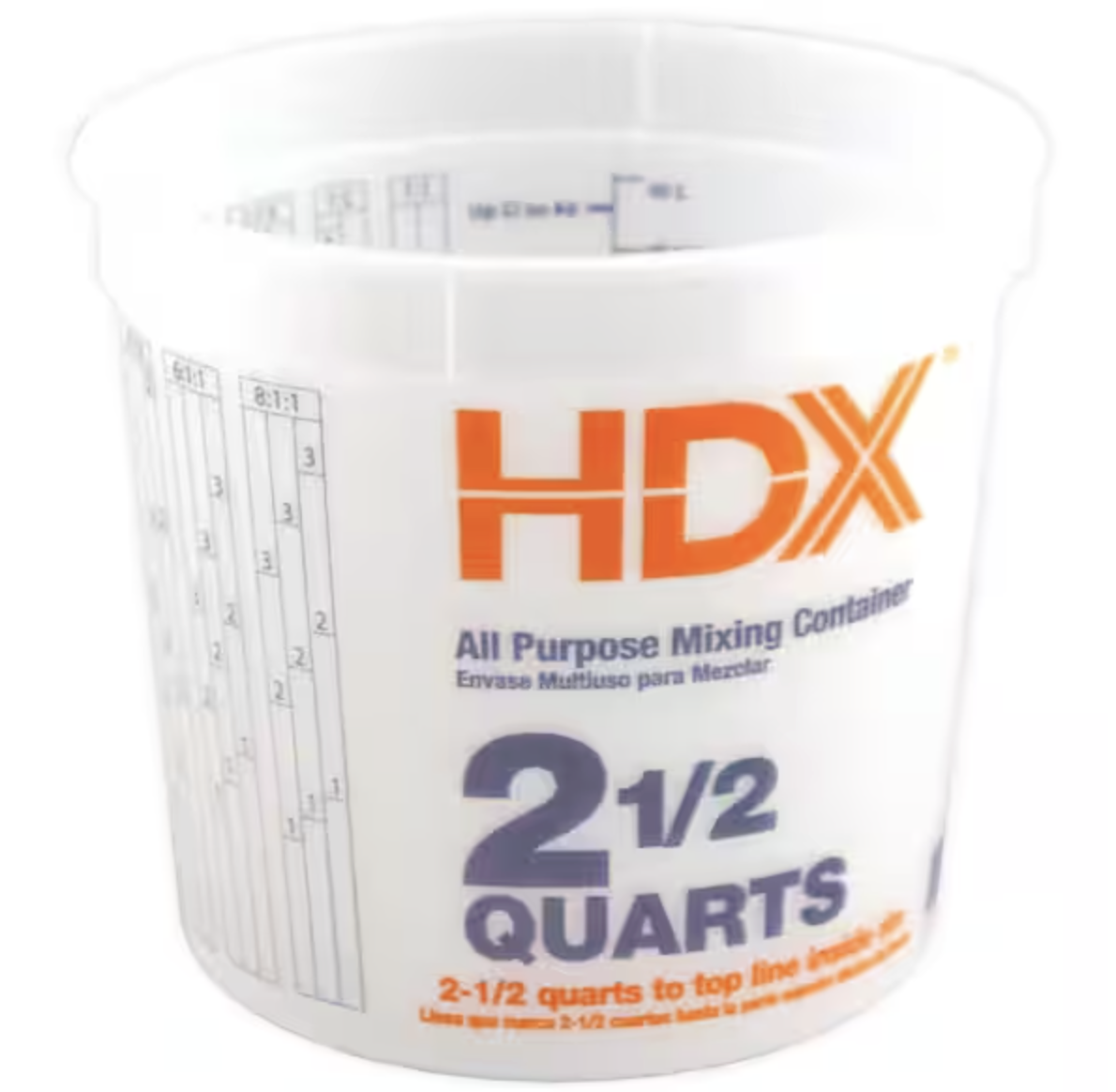
We package CleanPrime epoxy in a 3.5-gallon bucket. That works as a great mixing container for each batch.
If I'm doing a small area, I'll use a nine-inch roller and dip and roll out of the bucket itself.
It takes a little getting used to when you get at the bottom to turn the roller such that you'll pick up epoxy when you've got less than an inch of material in that bucket still.
So I put a little video to the right of how that's done. Apologies that’s so obvious it seems dumb.
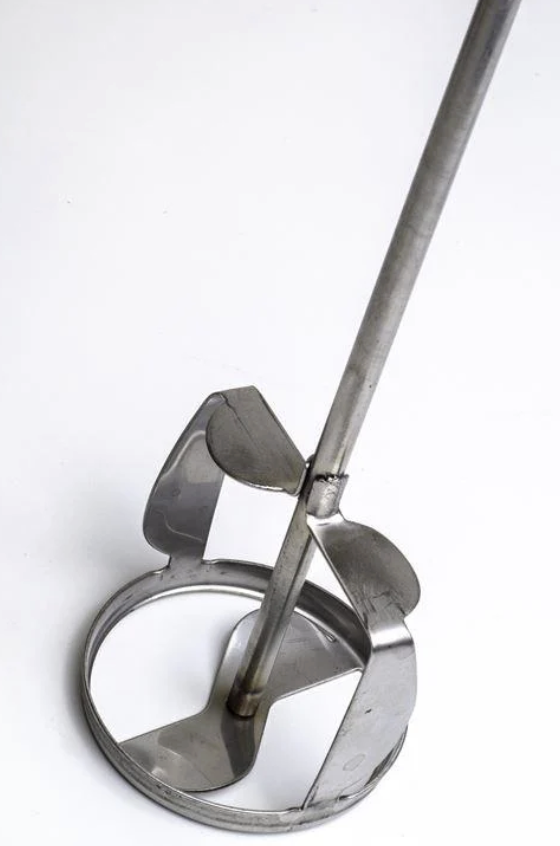
Model ES Jiffy Mixer paddle
I'm not saying you can't scramble eggs with a spoon. I'm just saying that if that's your deal and then you see someone work with a fork or a wire whisk, you probably ought to feel dumb.
For decades, Jiffy mixers have been the ideal way to mix epoxy. The ES is sized for two- to five-gallon batches. The blade that folds material instead of spinning a hole in it. Two welded blade sets — the vertical pair keeps the action between them, the horizontal pair uses a hydraulic-flow trick that stops it from sucking air.
Like everything, please support your local decorative concrete supply house. The photo at left is linked to concrete countertop solutions.
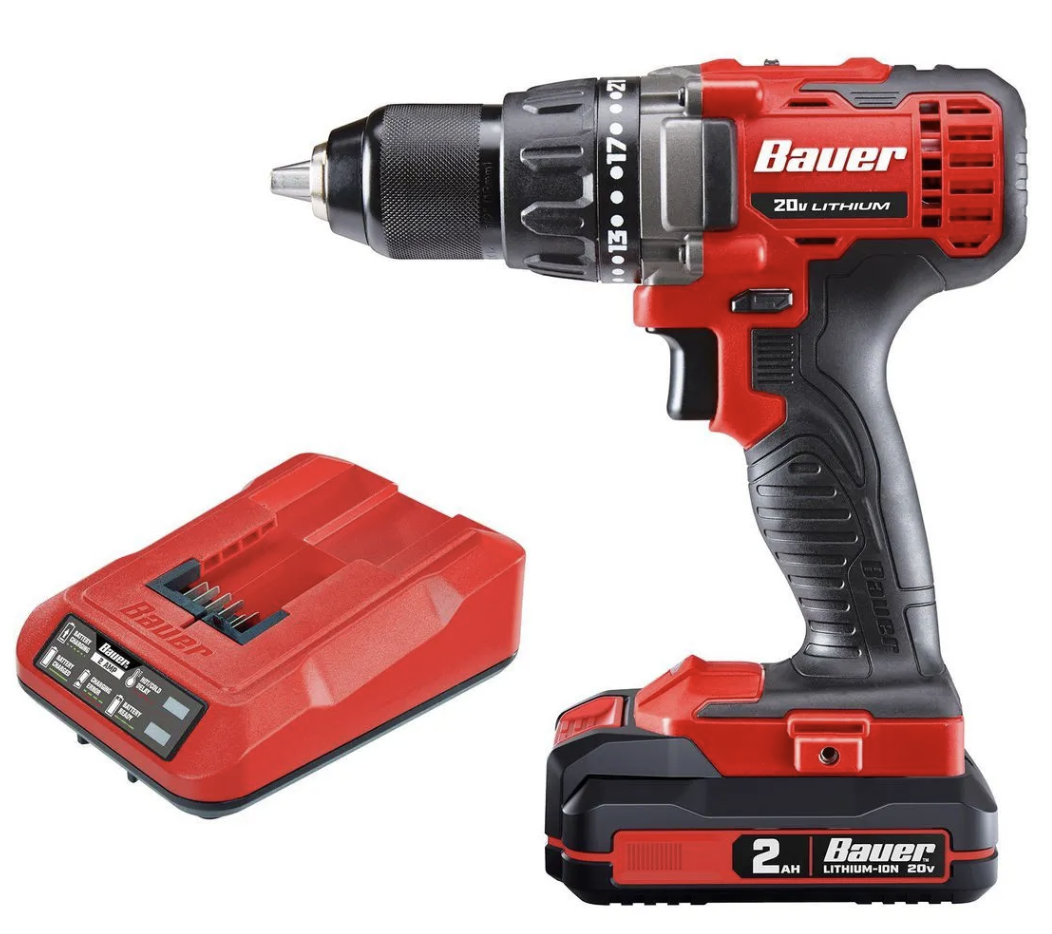
You don’t need a heavy-duty mixer for CleanPrime, and I reckon this $55 cordless drill from Harbor Freight is what I would buy if I was starting in the epoxy-coating industry tomorrow.
Check out “Smaller Tools for Acetone Wiping” at the bottom of this page for stuff to clean your drill with if you get epoxy on it.
Have a 2.5 qt. Mixing Container with acetone in it before you start to clean off your Jiffy Mixer